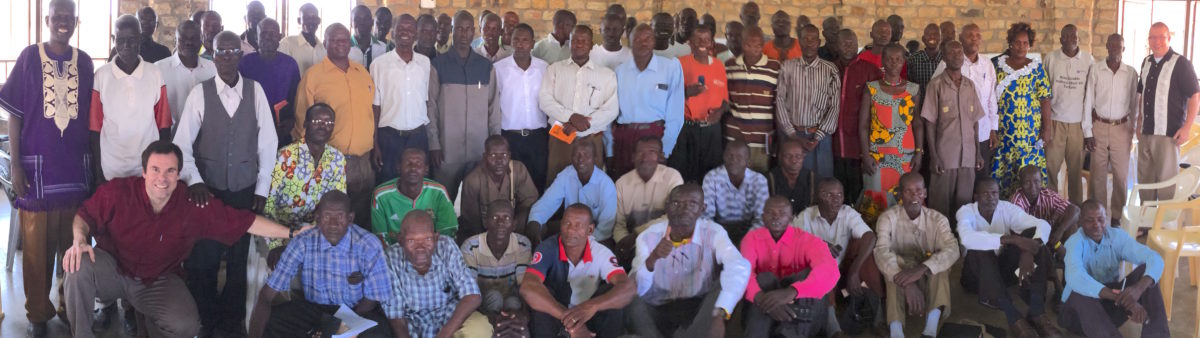
If you study the history of missions, you find that thoughtful experts in missions broach topics that are both critically important and yet sometimes carry a load of baggage. Decolonization, globalization, and various church planting strategies are some examples missiologists have wrestled with. But a couple issues which are heavy on my heart and wrap up much of my focus these days are:
- Empowering indigenous leaders
- Taking the Gospel to the unreached
Perhaps this subject merits multiple blogs as well as some podcasts that my friend Jeremy and I are planning to launch. But at this time at least I can briefly broach the subjects and put a bookmark in it to be revisited later.
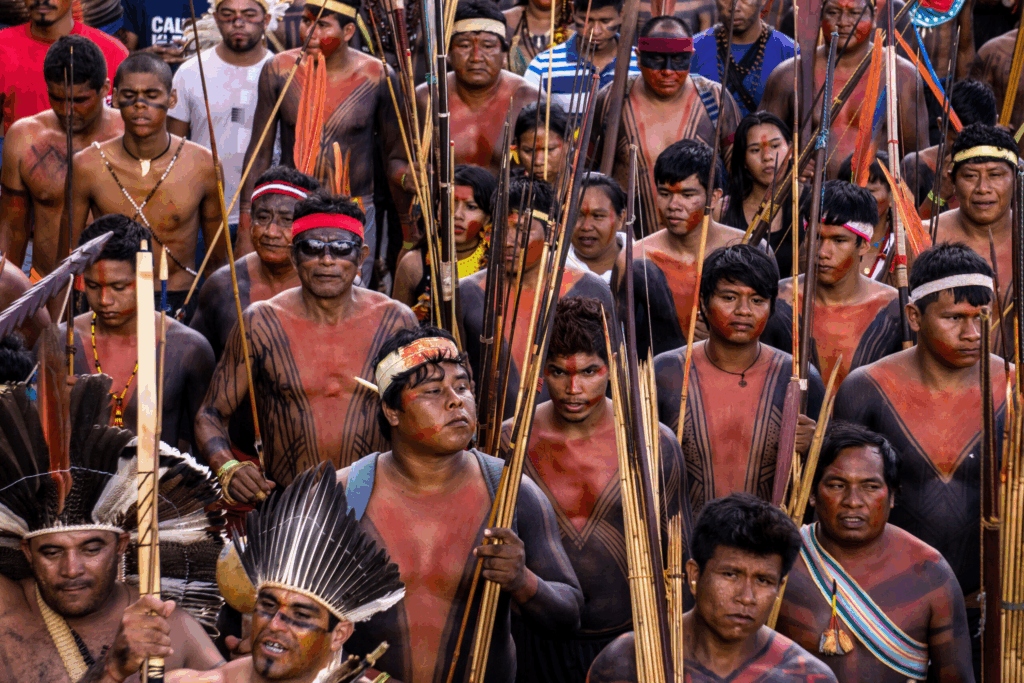
Indigenous people = Those people who have an historic tie to a certain region, oftentimes with distinct social, economic, and political systems, with unique languages, cultures, and beliefs. When I think about indigenous people, I think about those who have been in the region for generations, they know the language, the culture, they have established long-term relationships with those in the community, and this is their “home.” I would rather step across a larger gap to work with these leaders so they can step across a smaller gap to reach their own people.
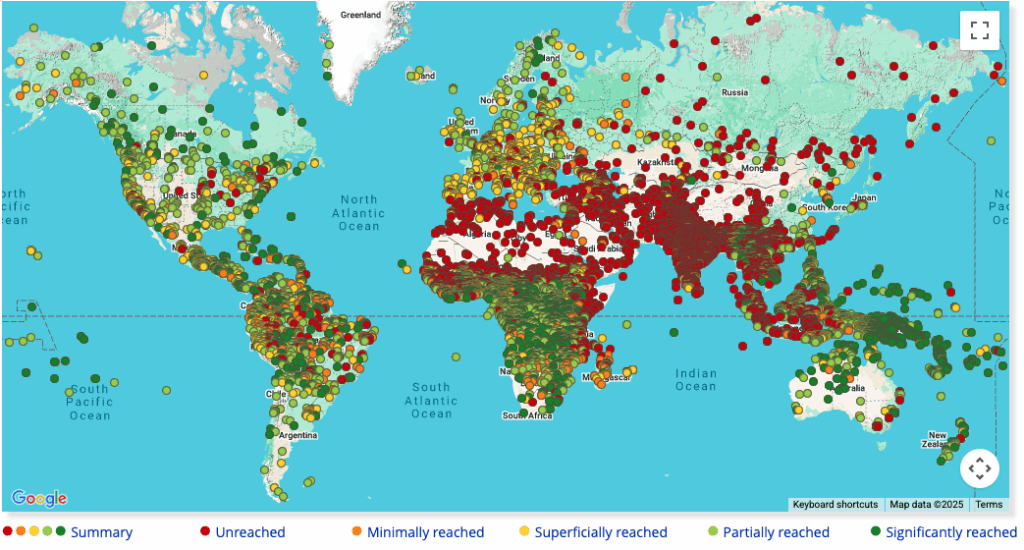
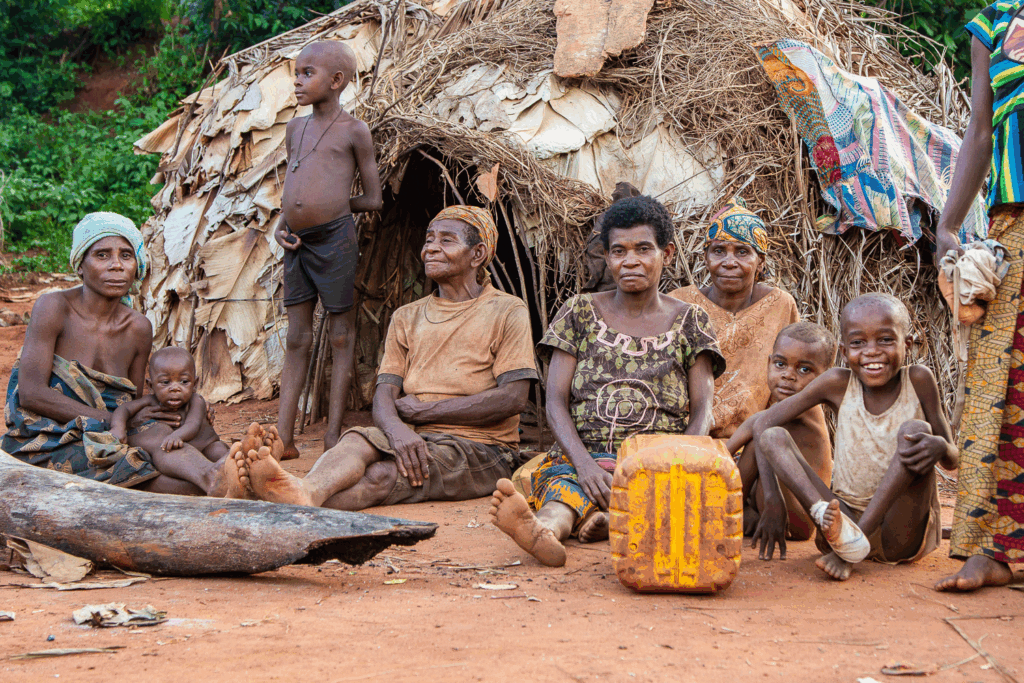
Unreached people groups = According to Joshua Project, a reputable organization specializing in research on unreached people groups, an unreached people group (UPG) is a group where there isn’t an indigenous community of believers with enough resources to evangelize the rest of their own people group without outside assistance. Specifically, this is often defined as less than 2% of the population identifying as evangelical Christians. They lack a self-sustaining, locally-led Christian community with the capacity to reach the rest of their people group. There is extremely limited access to the Gospel because of geography, culture, language, and even political, economic, and religious persecution. Of the roughly 8 billion people on the planet, 3.4 billion of them fall into the category of unreached. Of the 17,415 people groups in countries, 7,295 of them are considered “unreached” by Joshua project, approximately 42% of the world’s people groups.
Why are these two aspects of missions so big in my mind? Here are a few of the many reasons:
- I believe they are big in God’s mind, and are emphasized in His Word.
- These two aspects of missions are incredibly strategic in effectively advancing the cause of the Gospel, the kingdom of God, and the work of evangelical missions.
- They happen to coalesce together at the center of my work in Pathways Bible Training. While continuing to work with indigenous ministry leaders and pastors in Africa, I am adopting an additional emphasis to bring good Bible training to unreached people groups globally. How? By working through indigenous leaders who take what I offer to their nearby unreached neighbors.
Here are some examples of the biblical focus in these two areas:
- 1. God desires all to be saved: God is not willing that any should perish but that all should come to repentance (2 Peter 3:9). His desire is for all people, regardless of background or location. In fact, in Revelation 5 and 7 we read that people from every tongue and tribe and nation will populate heaven.
- 2. Hearing the Gospel is essential: Romans 10:14-15 states that people cannot believe in someone they have not heard of, and they cannot hear without someone being sent to preach to them. Sending out workers to preach the Gospel is vitally needed. Jesus told His followers in Luke 10:2 that the fields are white and harvest is plentiful but the workers are few. We need more workers!
- 3. The Great Commission: Jesus commanded his followers to “make disciples of all nations” (Matthew 28:19). All believers have a role in this commission for all people of all nations. We have been called to spread the Gospel to every part of the world, including reaching those who have never heard it.
- 4. The End is Coming: In Matthew 24:14, Jesus states that once the gospel is preached globally, He will return. “And this gospel of the kingdom will be proclaimed throughout the whole world as a testimony to all nations, and then the end will come.” Regardless of how you interpret this, the call is clear to preach the Gospel to all people.
- 5. Examples of Jesus and Paul: In Luke 4:43, Jesus explicitly says, “I must preach the good news of the kingdom of God to the other towns as well; for I was sent for this purpose.” He refused to stay where he had always been. In John 10:16, Jesus states, “I have other sheep that are not of this fold. I must bring them also, and they will listen to my voice. So there will be one flock, one shepherd.” Most likely referring to Gentiles (other sheep), but certainly referring to those who had not heard his message, “He must bring them also.” Jesus cares about the unreached. In John 4 he “had to pass” through Samaria (although he could have gone around as most Jews did,) for there was a divine appointment with a woman at a well in Sychar. Paul, clearly a pioneering missionary, said in Romans 15:20, “It has always been my ambition to preach the gospel where Christ was not known, so that I would not be building on someone else’s foundation.” This is certainly not the pattern we all must follow, and even that all missionaries must engage in. But it lends credibility to the task of reaching those who have not heard the Gospel with the words of life.
- 6. Pattern of utilizing indigenous missionaries: Jesus sends out his 12 apostles to reach the Jews where he was about to go (Luke 9). After he healed the demoniac in Luke 8, rather than allowing him to join Jesus’ following, he commissioned the cleansed man to “Return to your home, and declare how much God has done for you.” (Luke 8:39) Many more examples could be shared. Paul’s strategy in each location where he went was to reach locals, bring them to Christ, then train them to be elders and leaders in the newly planted churches (cf. Acts 14:23, et al). Certainly he and others went and encouraged the new believers, but those who lived there carried the local movement forward. Reaching and Teaching, the organization Adam and Sofia will be going overseas with, stated, “Indigenous leaders are integral to the long-term health and growth of the church within their cultural context, ensuring its resilience and continued spiritual development for generations to come.”
I know I’m just scratching the surface of these important issues, but perhaps we can consider that an appetizer with more to come. If you have thoughts about this subject, I invite you to email me at eric.belz@efca.org and I would be happy to interact with you. Until next time…