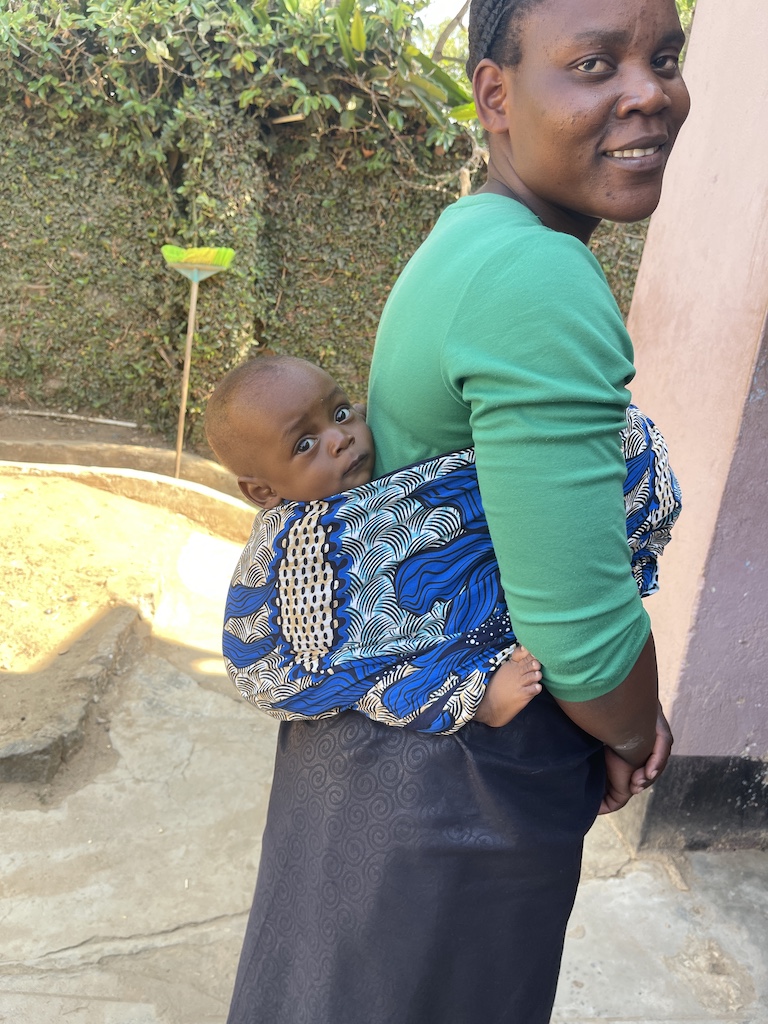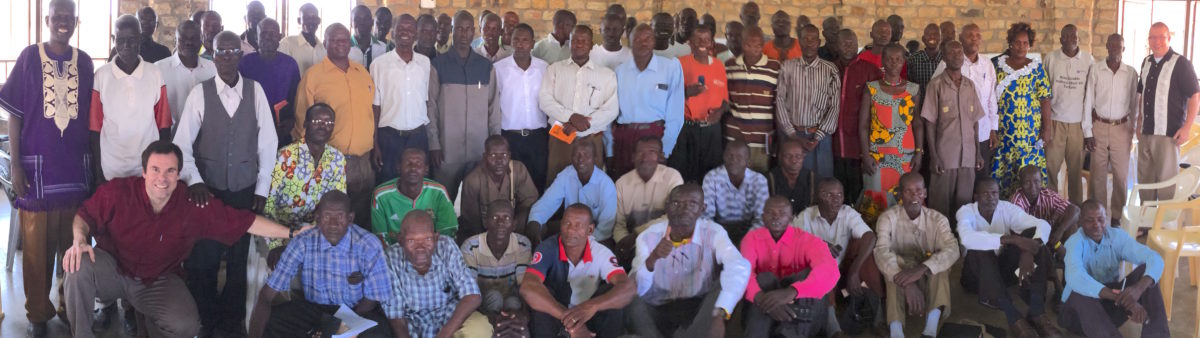
Bishop Edwin, one of the coordinators of our Pathways network in Malawi and the leader of a denomination of 165 churches, is so sold on the need for Pathways Bible Training in Africa that he and his denomination will not ordain any pastor for ministry with them unless they have completed the entire cycle of Pathways trainings. He selected the top level leaders in his network to participate in Pathways, and through them every pastor will receive good Bible training. Now that is commitment!
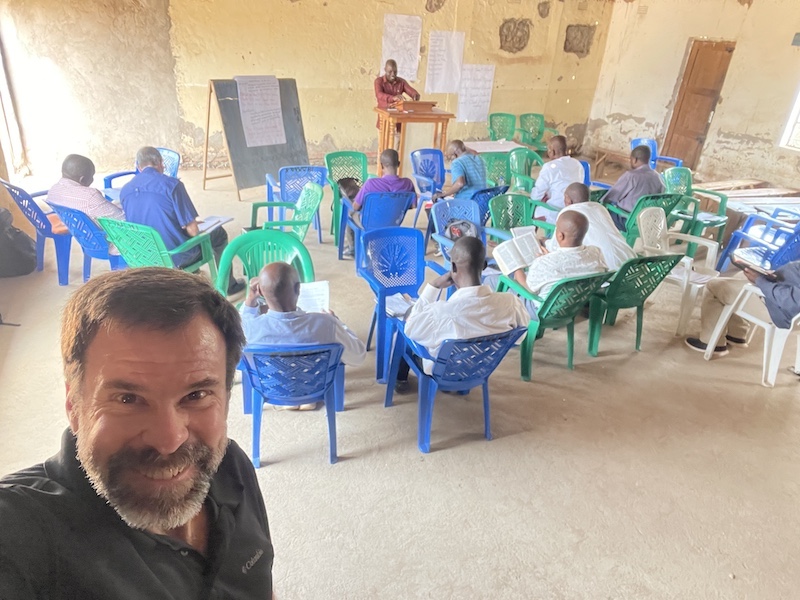
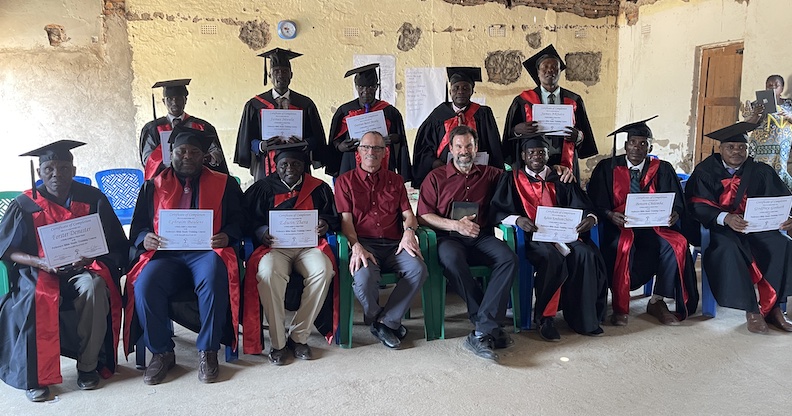
I just returned yesterday from our final training in Blantyre, southern Malawi, followed by a sweet graduation of 11 pastors who celebrated God’s faithfulness over nearly three years of “Word work.” We spent much time hearing pastors preach through the book of Habakkuk. Pastor James shared an interesting experience with me. He began preaching through Habakkuk in his church in preparation for the training we would be offering. Before he started, he asked his church to open their Bibles to the book of Habakkuk. Then he said he would offer 1000 kwacha (local currency in Malawi) to any person who had made a single mark in their Bible in the book of Habakkuk, meaning that they had read it or heard a message on this book. He shared with me that he did not give away a single kwacha that day. No one in his church had ever heard of the book, yet the pastors acknowledged that the message of Habakkuk is extremely relevant and applicable for Africans and global audiences today. I wholeheartedly agree!
Although the travel was long to get to Blantyre and back, God confirmed with us that it was well worth the investment as the pastors engaged energetically in the initial review of all Pathways principles on the first day, and then the preaching of sections through the book of Habakkuk on days two and three. I was joined by one of our newest Pathways team members, Steve, a retired pastor living in Wisconsin. We were told 16 master trainers would be present, but five were not able to attend for various reasons. Each of the pastors preached a section of the book, and then we spent 30-45 minutes offering them feedback on the sermon they gave, both positives and negatives. The pastors received these thoughts humbly and eagerly, ready to grow in their preaching skills. They were evaluated on the basis of nine key elements in the Pathways process as well as other principles we taught them. All in all, it was a very constructive time, and encouraging to see the pastors grow even during the three days we spent together.
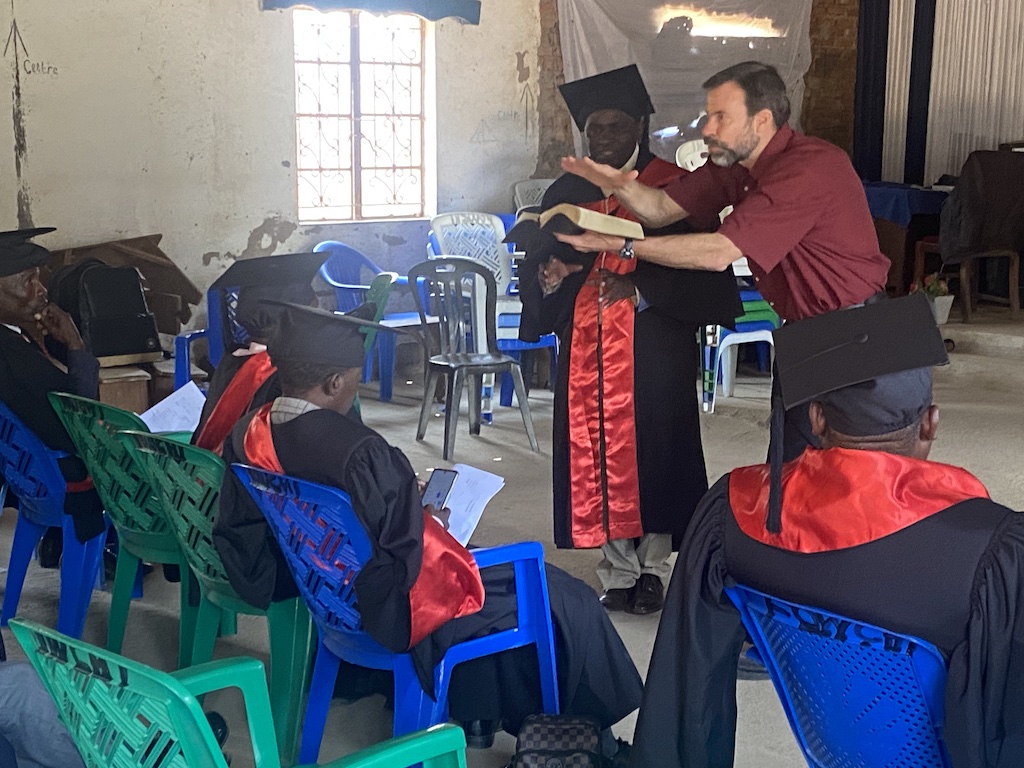
Along the way, we engaged in some robust debate about various elements in Habakkuk. For example, it became obvious the class was squarely divided on the issue of who Hab. 2:6-20 is about: Israel or Babylon. One even suggested Habakkuk was the recipient of the repeated “woes.” I facilitated a discussion including looking at the end of Hab. 2:5 which eventually led to the group agreeing it referred to Babylon. The better the pastors practice the Pathways steps (like context), the better they will bring clarity to the meaning of the passage. It is also helpful to reinforce that while we want the preachers to follow the Pathway principles, we do NOT want them to try to duplicate American preachers. We want them to preach in African (Malawian) way, culturally appropriate for their context. We had some discussion about this, but the pastors were relieved and most preached with the fire and passion I have witnessed commonly in Africa while staying rooted in the text.
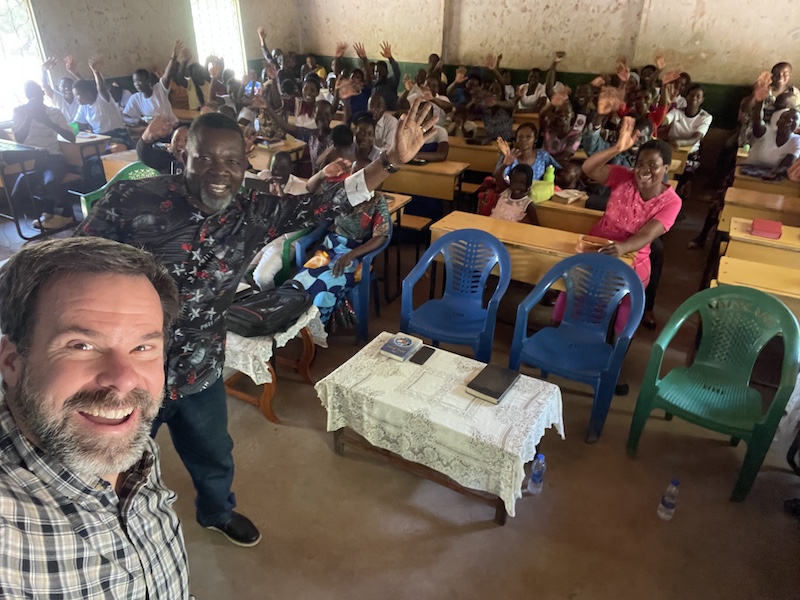
Then on the final day in country, Steve and I went to two different churches and participated in their church service and preached for them. Both congregations received us warmly and it was a joy to bless them in this way. I am grateful to have participated in working with this network for four of the six workshops we offered, and knowing their intention to practice the principles in their preaching and offer them to others is encouraging.