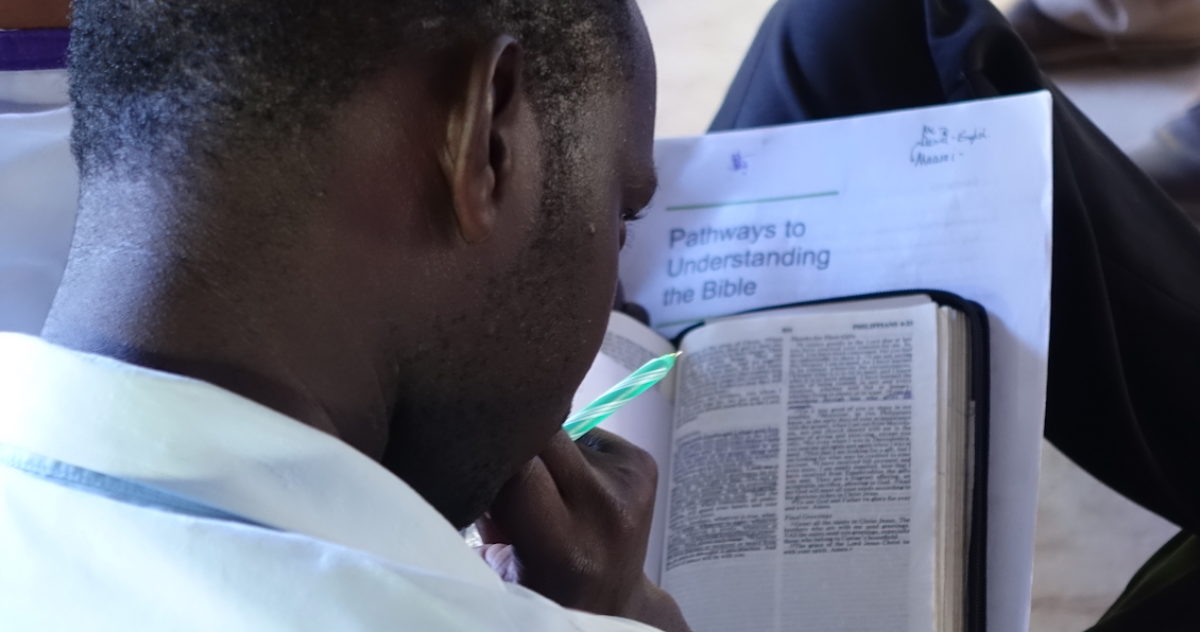
Dear friends, having poured many hours over the last two weeks preparing for a message I just preached at our church (Littlerock Community Fellowship), I’ve been meditating on God’s plan through suffering and death. We are moving through a series in Ecclesiastes, and my passage was Eccl. 7:1-14. We read in verse 2, “It is better to go to the house of mourning than to go to the house of feasting, for this is the end of all mankind, and the living will lay it to heart. I love to feast, but mourning, loss, and struggle can teach us things that we can only learn through the pain. We had better lay those lessons to heart! Click on the youtube link for the message and hopefully it will be an encouragement to you, especially if you have experienced or are now going through a difficult time.
So that brings us back to Ukraine. This war-torn country is filled with people who over the past four years have experienced profound loss, suffering, and death. I leave on Wednesday, October 14, to train pastors and ministry leaders in principles for how to handle God’s Word well and how to give biblical messages to their people. I would truly appreciate your prayers for this time. Below are details for that time in Ukraine and then continuing on to Thailand.
Ukraine and Thailand – October 14-29, 2026
Overview – Eric will be traveling with teammate Michael to the area around Kyiv, Ukraine to offer Pathways workshop three (the Whole Story of the Bible) in a seminary in Irpin. From there, they will separate and Eric will continue to Bangkok for a conference on unreached people groups, and then complete the round the world trip back to Seattle.
Itinerary
- October 14-16 – Travel to Kyiv, Ukraine through the Netherlands and Poland.
- October 17-18 – Prepare for training in Irpin, preach in churches.
- October 19-21 – Training in Irpin, meetings in Kyiv.
- October 22-24 – Travel to Bangkok, Thailand through Poland and Netherlands.
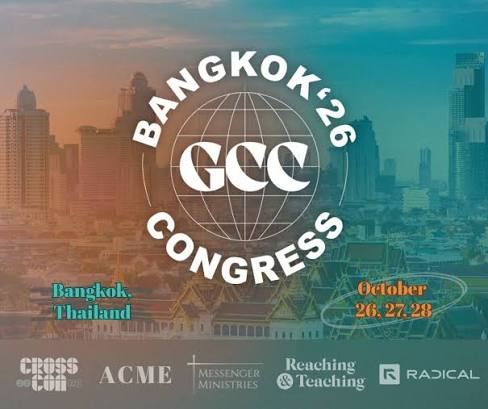
- October 25-28 – Great Commission Conference in Bangkok.
- October 28-29 – Travel home.
Prayer Points
- Please pray for pastors and seminary students in Ukraine. For over four years the country has been enduring the conflict with Russia, and they are weary yet trusting God and hungry for Pathways training. Pray Eric and Michael will encourage and challenge the group in Irpin.
- Pray for safety during travel and training. Many safeguards and contingencies are in place due to frequent missile and drone attacks.
- Pray for the Great Commission Conference in Bangkok, specifically that Eric will make strategic connections with those ministering to unreached people groups toward equipping them with relevant training.
- Praise God that Adam and Alyssa, two of Eric and Holly’s kids, will also be at the conference, flying in from another country in SE Asia. Pray for sweet times together.
- Pray for Holly during this time Eric is away.
Thank you much, brothers and sisters, for your prayers and partnership.