Dear ministry partners,
I am pleased to share with you that I have safely returned from a productive time training pastors and ministry leaders in Nigeria. Although the trip had some challenging elements, I witnessed God’s hand moving in the minds and hearts of the participants, and was encouraged by the progress they made. This was the final workshop we will offer to this network due to the economic and security hardships in the country, but I believe we have given them the foundation they need to preach God’s Word well in their churches and pass the training on to many others in Nigeria.
The time in Akure (a 6-8 hour drive from Lagos) was very full. After arriving from the long journey on Saturday, I preached in a church on Sunday and we prepared all matters for the training. On Monday, we did a thorough review of all Pathways principles to that point, and the participants were highly engaged. I must admit it was fun but also challenging working with this group, for according to the students, Nigerians are extremely expressive, passionate, aggressive, and even “rude.” Yet their outspokenness allowed for some very lively discussions on a host of subjects.
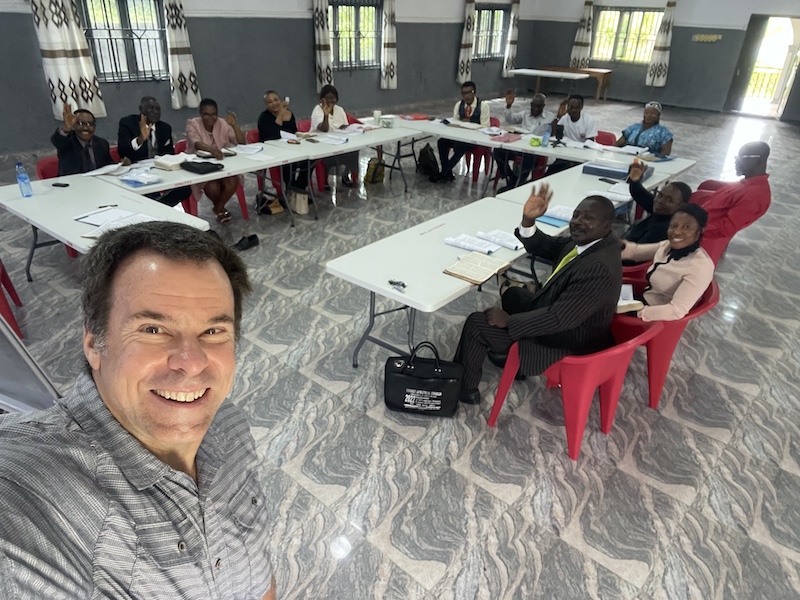
Although sleep was elusive during the week there, yet God sustained me with the strength I needed. I was encouraged that each morning and evening I was able to communicate with Holly and stay connected, and she did very well while I was away as she spent the week with her family in northern WA.
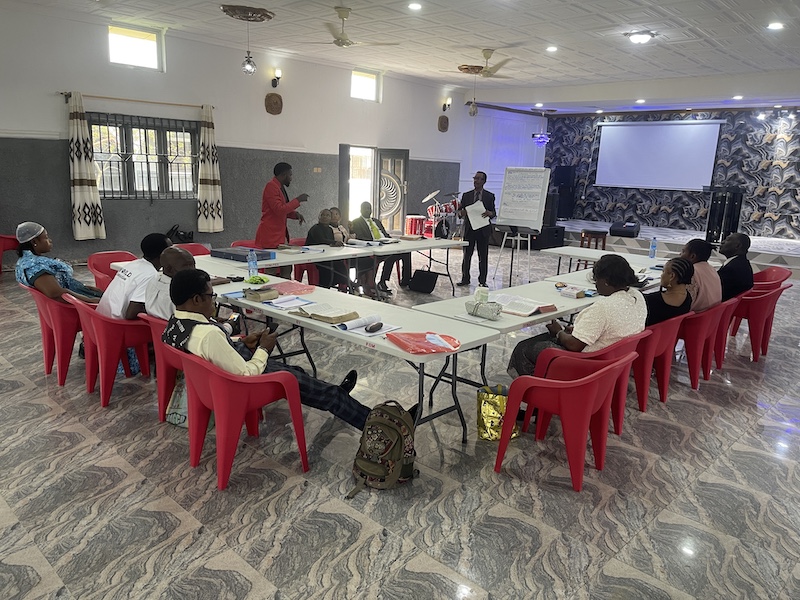
One of my favorite aspects of the week was “beta testing” some of the new elements we are developing for oral-oriented learners. The idea is that “preaching” can happen many ways, and it does not always need to look like a person standing up and giving a lengthy monologue. As long as the author’s emphasis in the passage is communicated effectively and received by others with related application, this is a victory. All these oral elements were thoroughly embraced by the participants. For example, I shared a story about a boy named Ezra that traces through all our principles, and the group absolutely loved it. I asked them questions about it, practiced it, and they were thrilled at the fact they were the first group to hear it. We discussed various methods they could use when “preaching” that would help their “illiterate” church members (their preferred title for 70-80% of their people) to understand the author’s intent of the passage. We discussed using songs, skits, stories, testimonies, games, reading out loud, memorizing, gestures/actions, pictures/visual aids, small group discussion, local language, films, repetition, and other methods. It will be helpful to continue to explore these elements with various groups and have them help us improve this new Pathways aspect.
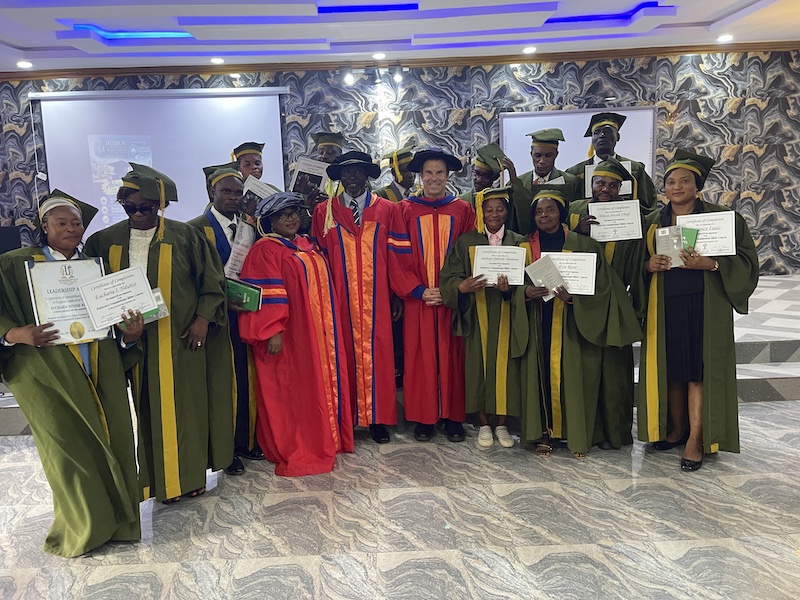
At the end of the week we had a modified graduation (since they did not receive all eight workshops), but they celebrated to the hilt nonetheless. I was surprised that the most time-intensive part of the ceremony was a fund-raising campaign orchestrated by the coordinator (Gideon) and a local bishop where they offered strong exhortation to every person there to contribute on the spot to Gideon’s training institute. Money is a big issue and popular topic of conversation in Nigeria, and pressures are handled a variety of ways, I suppose.
There were glowing testimonies of how the students will use this training, how much it is needed, and how churches will grow from Pathways. “Local pastors are usually above and below “the line” (of Scripture). But as they receive PW, they learn to stay on the line.” Here are some of the testimonies shared by the students:

Chibeze – Pathways changed my life and ministry. Before PW, I preached from my own mind. Now, I read the Bible, study it, understand it, and preach it.

Patience – I have learned I must stay on the line. What the author is emphasizing is most important. And application begins with the preacher. Also, I learned that God is the main character and hero of all of Scripture rather than individual people.
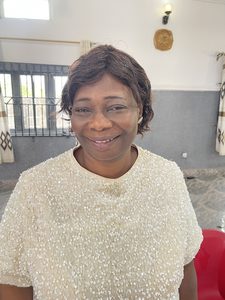
Olu-Ige – I am now more confident in teaching in church. I must teach others how to teach the Bible. Before Pathways I never heard of observations and looking for commands, repetitions, contrasts, and surprises. Now I know these are so important to understanding any passage. Also applying in our thoughts, feelings, relationships, and actions is new and important.

Felix – I now read the Bible differently. Now I think about who the original readers were and other things. Also, I am beginning to think about how to reach our people who are illiterate with demonstrations and creative methods.
Rafael – I need to teach this to others.

Don – I have learned how to study deeply, not just on the surface. We must dig deep. What was the author’s emphasis. And what is the message for us today, not just for the original readers.
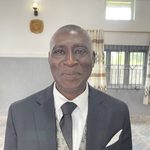
Bola – When we first started the training, I didn’t know what to expect. As I progressed, I learned I need to take Bible study seriously. And the more I teach others, the better I understand what I’m teaching. I also learned the Whole Story of the Bible and taught it to many in my church.

Samuel – I now see the importance of bringing God as the center of every passage and story. Don’t bring in our outside context, but must “stay on the line” of God’s Word. I must bring the message close to our people by applying it to myself first.
Let us celebrate what the participants learned and the transformation God brought in the lives and ministries of these leaders during the four workshops (plus pre-launch conference) they received. As the testimonies communicate, there was growth and God was at work, all glory be to Him.